
Why Scorelines and Ratings are Outputs Rather than the Inputs Required for Player Improvement
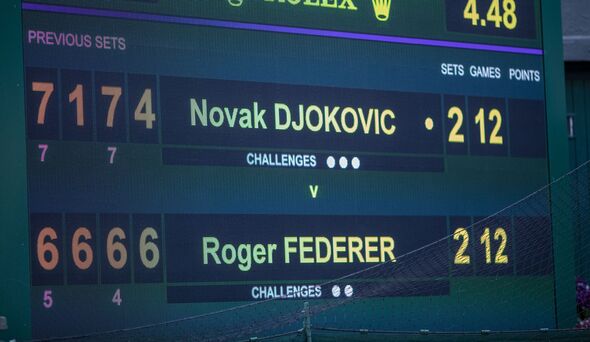
In tennis, performance is usually judged by two things:
- the scoreline
- the rating or ranking
Both are widely accepted as indicators of progress.
But there is a fundamental problem.
They are outputs — not inputs.
The Illusion of the Scoreline
A score might suggest clarity:
6–2, 6–2 looks dominant.
7–6, 7–6 looks close.
But scorelines don’t explain how points were constructed, why they were won or lost, or whether performance is actually repeatable.
The score tells you what happened — not why it happened.
And without understanding why, improvement becomes guesswork.
The Limitation of Ratings and Rankings
Ratings and rankings provide context over time.
But they suffer from the same flaw.
They tell you where a player sits — not how they play.
Two players with identical ratings can have completely different strengths, weaknesses and patterns.
Yet the rating treats them as the same.
The Problem for Player Development
If players focus only on:
- results
- rankings
- general feedback
they are left without clear direction.
They are told to:
- be more consistent
- play smarter
- work harder
But none of these are actionable.
They don’t answer the most important question:
What specifically needs to change?
Inputs Drive Improvement
Real improvement comes from understanding the inputs:
- how points are constructed
- which patterns are used
- where points are being won and lost
Because over time:
Better inputs produce better outputs.
Not the other way around.
A Smarter Way Forward
This is where a different approach is required.
One that focuses on:
- understanding the player
- comparing appropriately
- tracking meaningful progress
Not just observing results.
The Takeaway
Scorelines and ratings still matter.
But they should be seen for what they are: a reflection of performance — not a guide for improvement
If you want to improve a player, you have to look deeper than the outcome.
Because in tennis, it’s not the result that drives development.
It’s the patterns behind it.